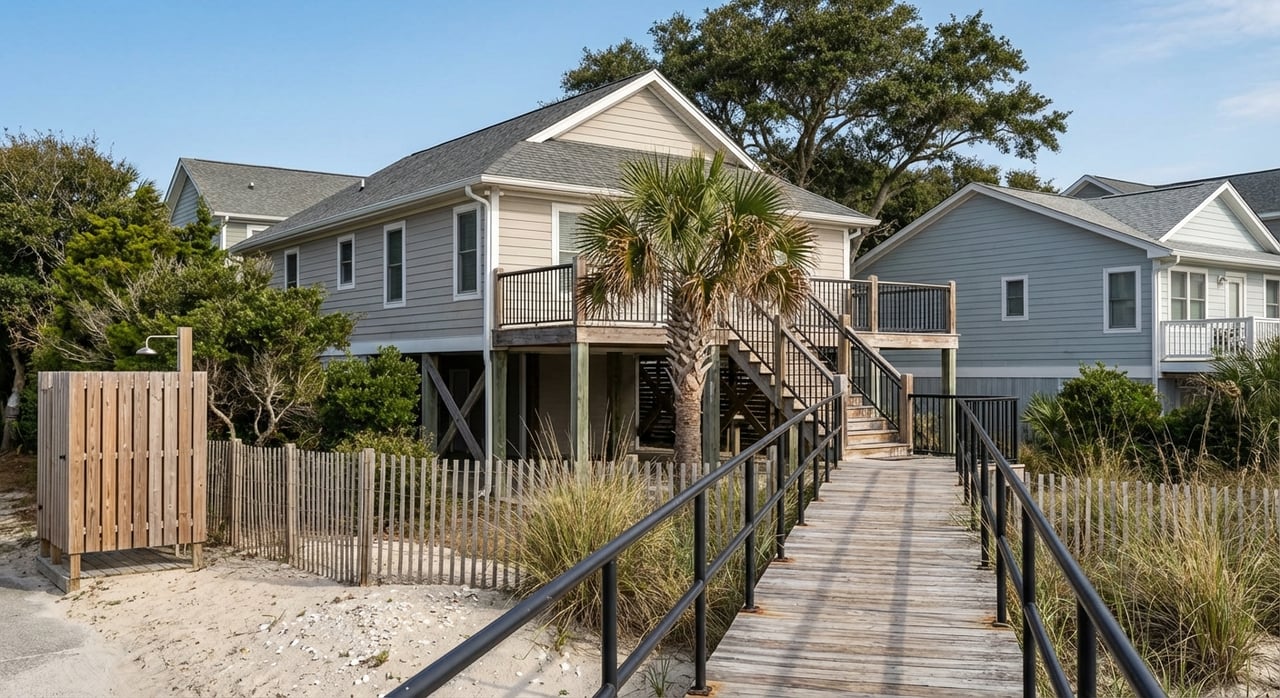
Salt air on your doorstep all year, or a beach escape you visit between rentals? If you are deciding whether Wrightsville Beach should be your primary home or your vacation property, you are not alone. Each path offers real lifestyle perks, plus different costs, logistics, and risks. This guide breaks down day‑to‑day living, rental potential, local rules, and due diligence so you can choose with confidence. Let’s dive in.
Why Wrightsville Beach draws both
Wrightsville Beach is a compact barrier‑island town with a small year‑round community and a big seasonal surge. Summer brings visitors, events, and heavier traffic, while the off‑season is quieter and more local. The town enforces seasonal paid public parking, which shapes where guests, renters, and residents can park during peak months. You can review current rules on the town’s parking program.
Homes here skew high‑value. Market trackers regularly show median sold prices in the high six‑figure to multi‑million range, with recent snapshots around the mid to upper seven figures and limited inventory. For a current read on pricing, see the latest Wrightsville Beach market report.
Vehicle access relies on a small set of bridges. Maintenance work and special events can cause periodic delays, especially on summer weekends and holiday turn days. For context on active maintenance and long‑range replacement planning, check NCDOT’s recent Wrightsville Beach maintenance update.
Year‑round living: what to expect
Schools and routines
Wrightsville Beach Elementary serves island K–5 students as part of New Hanover County Schools. Middle and high school assignments depend on the district’s student assignment plan, which can include attendance zones and program options. Always verify your exact address with the NHCS Student Assignment Plan. Many families plan for student transportation to Wilmington campuses for middle and high school and build after‑school logistics around that.
Healthcare and essentials
Primary hospital and specialty care are in nearby Wilmington. Depending on destination and traffic, you can expect short off‑island drives for urgent care, major hospital campuses, and most specialty providers. Daily errands and services also cluster in Wilmington along the main corridors.
Flood, storms, and resilience
The entire island sits in Special Flood Hazard Areas on local maps. Mortgage lenders typically require flood insurance, and coastal buyers should budget for wind and hurricane coverage. Start with the town’s guidance on elevation certificates, FEMA resources, and preparedness on the Flood Preparation and Protection page.
Beach nourishment is a key part of long‑term shoreline management and property resilience. Wrightsville Beach participates in periodic renourishment projects with federal and state partners. You can follow project context and recent developments in coverage like this Coastal Review renourishment update.
Traffic and parking realities
Summer weekends, holidays, and big event days bring congestion on the causeways and along commercial corridors. Bridge lane closures or construction can amplify delays, so factor check‑in and check‑out timing into your schedule. Seasonal paid parking is strictly enforced and affects residents, guests, and renters, so review the town’s parking rules before you host or plan gatherings.
Cost to own
- Property taxes vary by year and parcel. Verify current rates with the New Hanover County Tax Office and confirm any special assessments.
- Insurance costs are typically higher than inland markets. Budget for windstorm and flood policies, including potential deductibles for named storms.
- If you plan to rent the home for short stays, you will need to register and remit room occupancy taxes. New Hanover County outlines rules on its Room Occupancy Tax Information page.
Vacation or STR ownership: key insights
Demand and seasonality
Short‑term rental demand peaks in summer, especially July, with slower winters. Market trackers show several hundred active listings, average daily rates commonly above $500, and typical annual occupancy in the high 30 percent range. That concentration means strong summer income with quieter off‑season months. For a current snapshot, explore the AirROI Wrightsville Beach STR report.
Rules and regulatory risk
Wrightsville Beach’s zoning code addresses short‑term uses in certain districts, and town leaders have discussed targeted regulations over time. Rules can evolve. Before you buy, review the town code and recent Board of Aldermen updates to confirm what is allowed for your property type and location. Start with the online Wrightsville Beach Code of Ordinances.
Guest logistics and operations
Parking is limited and strictly managed in peak season, so on‑site spaces and clear guest instructions are essential. Build a plan for trash pickup, noise expectations, and check‑in timing that avoids bridge backups. Budget for elevated cleaning and linen turnover in summer, off‑season deep cleaning, and storm preparation. The town’s flood and storm prep guidance is a helpful baseline for owner readiness.
Which path fits your goals
- Full‑time resident. You want consistent access to the beach, a small‑town coastal feel, and proximity to Wilmington services. You are comfortable planning around bridge traffic in peak seasons and budgeting for coastal insurance.
- Second‑home owner. You prefer a seasonal escape with low daily obligations most of the year. You will plan for vacant‑home maintenance and off‑season care. Occasional monthly or seasonal rentals may help offset costs if allowed by your HOA and local rules.
- STR investor. You are focused on summer revenue, conservative off‑season assumptions, and professional property management. You accept regulatory risk, tax compliance, and guest logistics as part of the business model.
- Hybrid owner. You plan to live in the home and rent it occasionally to offset carrying costs. Confirm whether homestays or partial rentals are permitted under local code and any HOA, and register for required taxes.
Due diligence checklist
Use this as a quick framework to protect your time and capital:
- Confirm school assignment for the exact address with the NHCS Student Assignment Plan and ask about transportation.
- Pull FEMA flood maps, request an elevation certificate, and price both NFIP flood and private windstorm coverage.
- Verify current county and municipal property tax rates and any special district assessments for the parcel.
- If renting: model ADR, occupancy, and expenses using a local STR analytics tool. Include management fees, cleaning, parking, utilities, linens, and replacement reserves. Register and file room occupancy tax.
- Review the town code and recent Board of Aldermen minutes for any changes to STR permissions or neighborhood rules that affect your address.
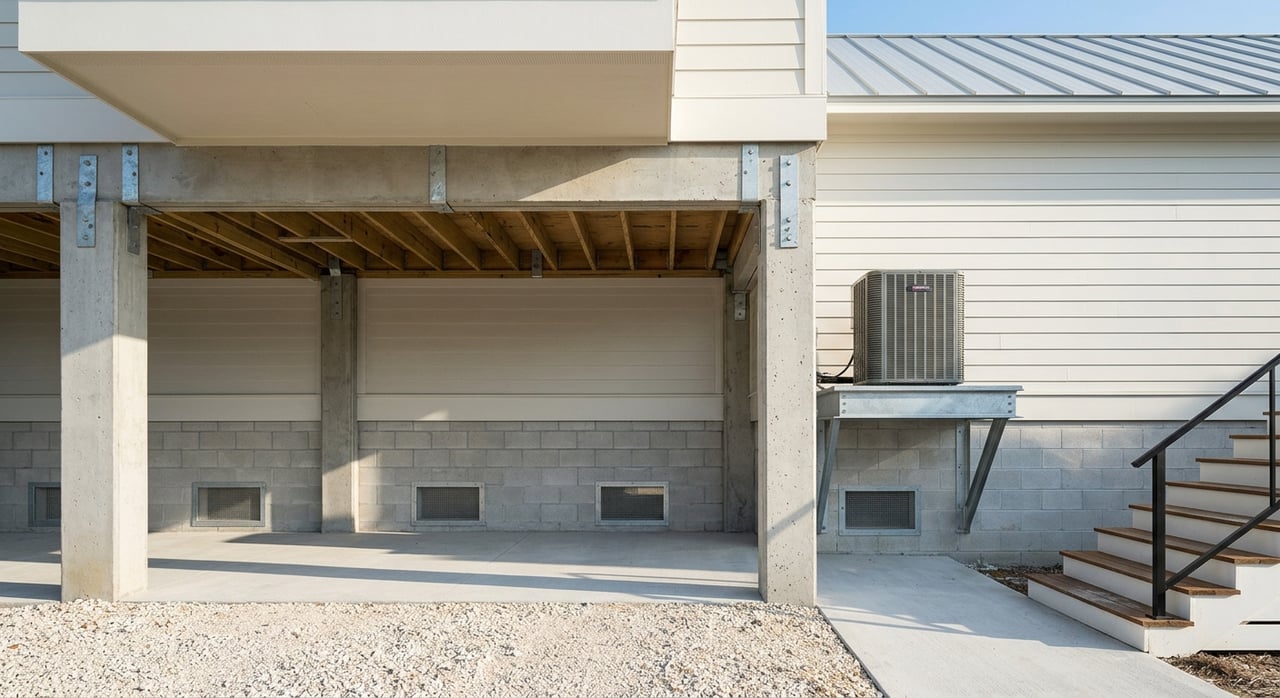
- Inspect coastal construction details: pilings, decking, hardware, salt exposure, and prior storm repairs. Request maintenance records.
- Ask about upcoming utility or road work that could affect service or access near the property.
- Walk the street at different times to understand resident and renter mix, traffic patterns, and practical parking constraints.
Ready to weigh your options with local insight and a clear plan? Let’s align the lifestyle you want with a smart ownership strategy in Wrightsville Beach. Connect with Austin Kenyon to schedule a private consultation.
FAQs
Is Wrightsville Beach practical for full‑time commuting to Wilmington?
- Yes, many residents commute off‑island, but you should plan around peak‑season bridge traffic and event days that can add delays.
What short‑term rental rules apply in Wrightsville Beach?
- Rules vary by district and can change; review the online Code of Ordinances and recent Board of Aldermen actions before you buy or list a property.
How much can a vacation rental earn in Wrightsville Beach?
- Market trackers report summer‑driven revenue with ADRs often above $500 and annual occupancy in the high 30 percent range; model conservatively for the off‑season.
Do residents have to pay for parking in peak season?
- The town enforces seasonal paid public parking and specific rules; residents, guests, and renters should review current program details before peak months.
Do I need flood insurance on the island?
- Most financed properties in mapped flood zones require it; Wrightsville Beach is largely within Special Flood Hazard Areas, so budget for flood and wind coverage.