Buying on the water in Wilmington can feel like a dream come true, but it also comes with a different set of risks and insurance questions than an inland purchase. If you are considering a home along the river, sound, or nearby beach towns, you need more than a great view and a clean offer strategy. You also need to understand flood exposure, wind coverage, elevation, and the documents that can affect your long-term carrying costs. Let’s dive in.
Why waterfront risk matters in Wilmington
Wilmington and the surrounding coastal communities sit in an area where water-related risk can come from several directions at once. According to New Hanover County’s hazard mitigation plan, the county recorded 151 flood occurrences in its southeastern North Carolina dataset since 1997, and the plan also identifies coastal erosion as an ongoing regional hazard.
That matters because flood exposure is not limited to one obvious property type. Storm surge, wave action, heavy rainfall, tidal flooding, and erosion can all affect how a property performs over time and what it costs to insure.
Just as important, a home does not have to sit in the highest-risk mapped area to face real flood exposure. FEMA notes that flood losses often happen outside special flood hazard areas, which is why buyers should verify the exact parcel instead of relying on a listing description or a neighborhood label.
Check the parcel, not the reputation
When you buy waterfront or near-water property in Wilmington, parcel-level verification is essential. The best starting point is the FEMA Flood Map Service Center, which is the official public source for flood hazard maps.
You can also cross-check local details through New Hanover County GIS mapping tools, which include floodzones and elevation-related mapping. If you need local certification guidance, the City of Wilmington Zoning Compliance team handles floodplain certification questions.
This extra step is especially important in nearby beach communities where flood exposure is broad. For example, Wrightsville Beach states that all properties within its corporate limits are located in the floodplain on the community’s FIRM.
Local flood zones can differ
Not every waterfront property carries the same flood profile. Carolina Beach’s flood information explains that:
- VE zones are coastal high-hazard areas with wave action
- AE zones are storm-surge areas with diminished or no wave action
- LiMWA marks the limit of moderate wave action
Those distinctions can affect both construction standards and insurance pricing. Even if a home is not directly oceanfront, its location near surge and wave exposure can still matter.
Understand the insurance layers before you offer
One of the biggest mistakes waterfront buyers make is pricing only the mortgage and taxes without fully modeling insurance. In coastal Wilmington, insurance may come in layers, and each layer can affect your monthly budget and closing timeline.
At a minimum, you should understand flood coverage, homeowners coverage, and whether windstorm and hail are included in the base policy or carved out into a separate one. These are not details to sort out after due diligence is almost over.
Flood insurance is separate
In North Carolina, homeowners insurance does not cover flood damage. The North Carolina Department of Insurance explains that NFIP flood insurance is available through participating jurisdictions, and you do not have to be in a mapped floodplain to buy it.
If the property is in a special flood hazard area and you are using a federally backed mortgage, flood insurance is usually required. Lenders may also require flood coverage outside the SFHA, so it is smart to confirm lender requirements early.
NFIP policies also usually come with a 30-day waiting period before coverage becomes effective, though exceptions can apply. Standard residential NFIP limits are generally $250,000 for building coverage and $100,000 for contents coverage.
Wind and hail may be separate
In coastal North Carolina, windstorm and hail are often excluded from a standard homeowners policy. The North Carolina Department of Insurance guidance on windstorm and hail notes that this coverage may be written separately, often through the North Carolina Insurance Underwriting Association, also called the Coastal Property Insurance Pool.
New Hanover County is one of the 18 eligible coastal counties served by that program. For buyers, that means you should ask not only what is the premium? but also how many policies are involved and what are the deductibles?
Lower-risk maps do not mean no risk
Flood pricing is not limited to the most severe zones. FEMA says about 40% of NFIP claims occur outside high-hazard areas, which is a useful reminder that a lower-risk designation does not eliminate exposure.
The same FEMA resource explains that the Community Rating System can reduce flood premiums by 5% to 45% in participating communities. That is one more reason to get precise quotes instead of making assumptions based on a map label alone.
Elevation and construction affect cost
For waterfront buyers, the home itself matters almost as much as the location. Elevation, structural design, and mitigation features can influence both insurability and long-term value.
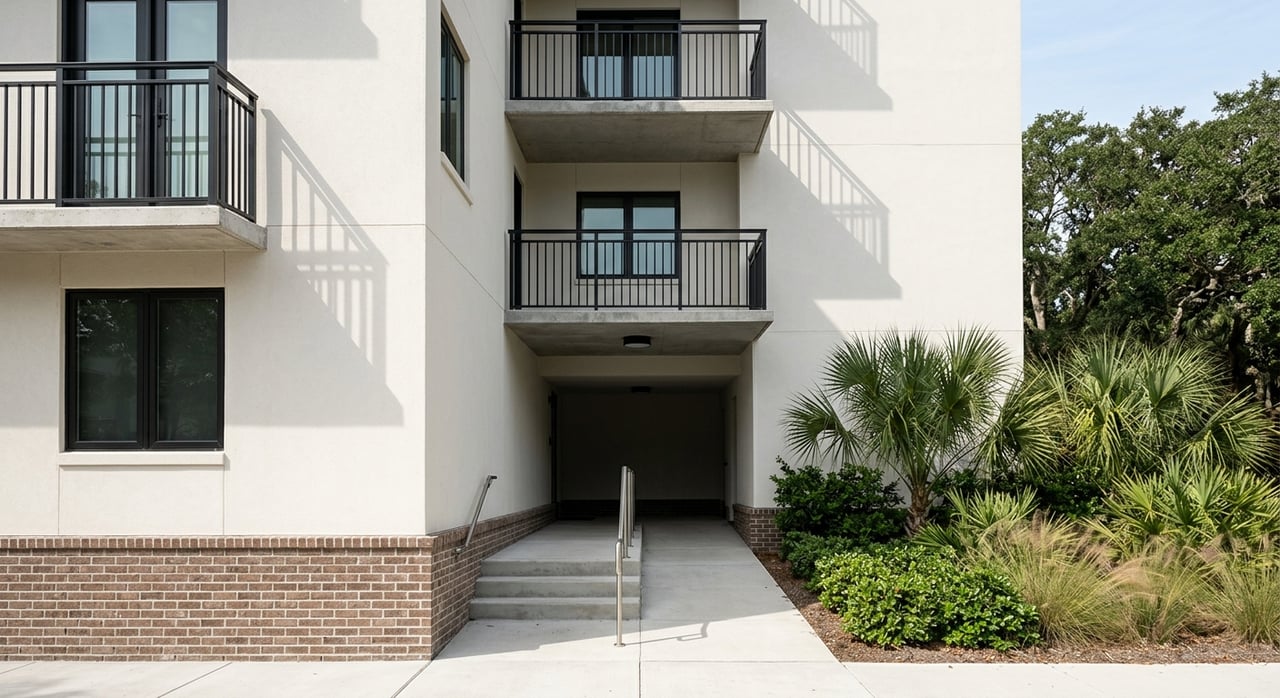
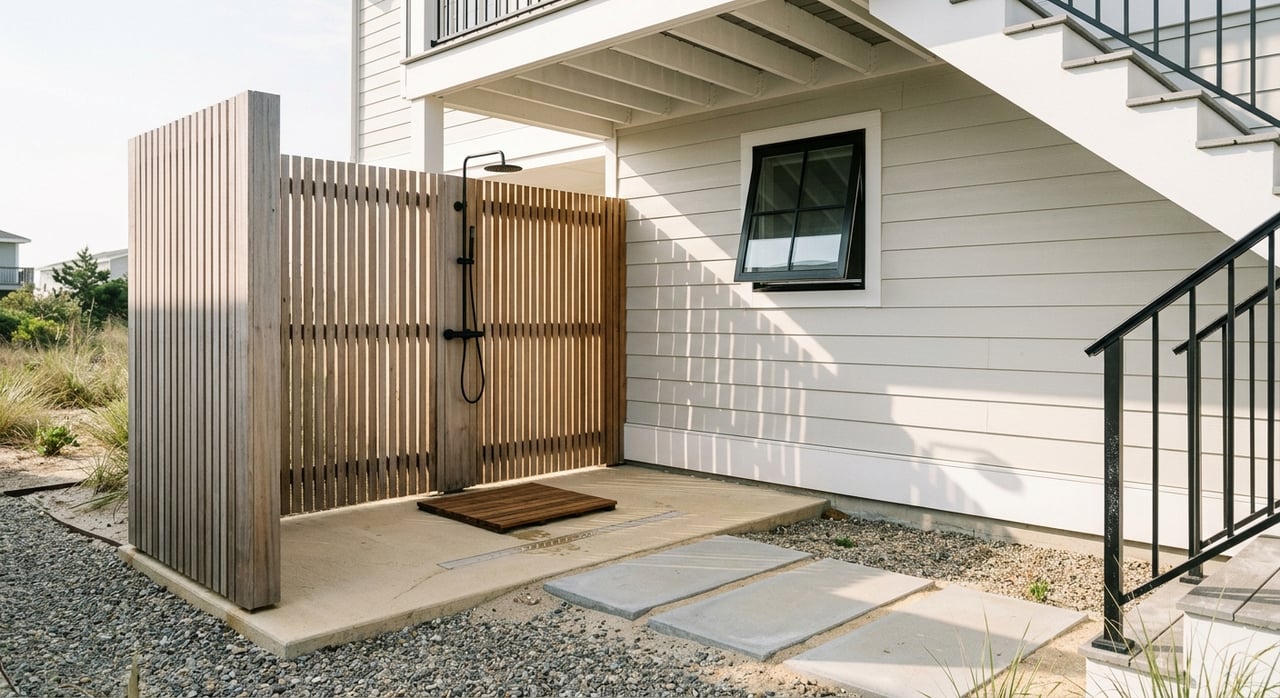
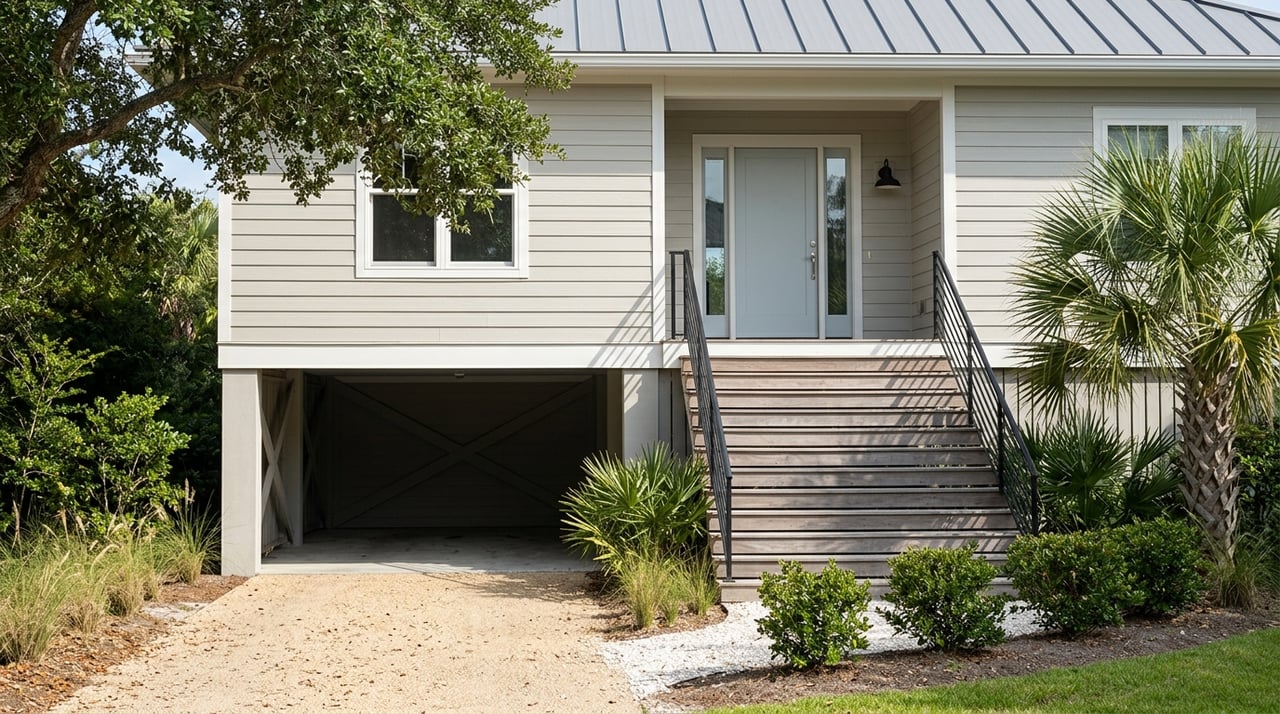
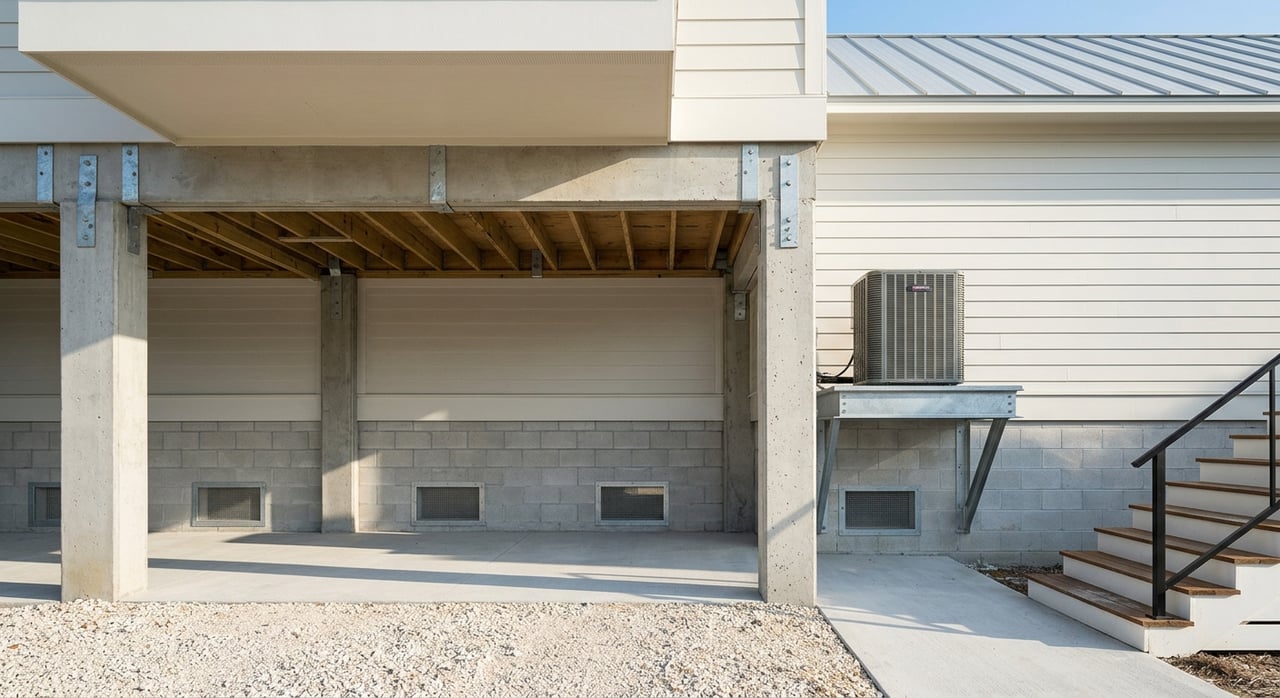
In coastal high-hazard Zone V or VE areas, FEMA says buildings must be elevated on piles or columns and anchored to resist wind and water loads. According to FEMA’s Coastal High Hazard Area definition, the space below the lowest floor must remain free of obstruction or be enclosed only with approved nonstructural materials such as breakaway walls, open lattice, or insect screening.
Nearby wave exposure still matters
A property does not have to carry a VE label to face wave-related concerns. FEMA’s guidance on coastal flood insurance rate maps explains that areas near the LiMWA or within Coastal A Zones can still experience damaging wave action, and FEMA encourages V-zone-style construction in some of those areas.
For buyers comparing two similar homes, this can be a meaningful difference. A house with stronger coastal construction features may offer better resilience and potentially better insurance outcomes over time.
Elevation certificates can help
A current elevation certificate is one of the most useful underwriting documents you can request. FloodSmart notes that an elevation certificate can lower the price of flood insurance, and local communities such as Carolina Beach and Wrightsville Beach may keep these records or provide access to them.
You should also ask whether electrical systems, mechanical equipment, and other utilities have been elevated above expected flood levels. FEMA notes that these steps can reduce damage and may reduce cost, which makes them important both for ownership experience and for future resale.
Mitigation features can add value
Mitigation is not only about storm prep. It can also shape carrying costs and marketability.
The North Carolina Department of Insurance says certain mitigation credits or discounts may be available in beach and coastal territories, and it identifies FORTIFIED construction and reroofing as ways to improve wind and hail resilience. If a seller can document these improvements, that information may support a stronger insurance picture.
Do not overlook erosion and site conditions
Waterfront risk is about more than flood maps and premium quotes. The same New Hanover County hazard plan identifies coastal erosion as a measurable hazard, with an average extent of 1.6 feet per year across the southeastern North Carolina region.
That does not mean every parcel erodes at the same rate, but it does mean buyers should pay attention to setbacks, drainage patterns, shoreline conditions, and the expected life of exterior improvements. Decks, stairs, lower-level enclosures, and site drainage can all affect long-term maintenance and value.
Questions to ask before removing contingencies
Because flood insurance may have a waiting period, wind and hail may be separate, and local flood determinations often require verification, the best time to get answers is before your contract becomes hard to unwind. A waterfront purchase usually benefits from tighter coordination among your agent, lender, insurer, and inspector.
Here are some of the most useful questions to ask early.
Ask the insurer
- What is the current FEMA flood zone for the parcel?
- Is flood insurance required by the lender?
- Are the available flood quotes through NFIP, a private carrier, or both?
- What are the building and contents limits, deductibles, and waiting period?
- Is windstorm and hail included in the base policy?
- If not, what separate policy and deductible apply?
- Does the property qualify for a CRS discount or any mitigation credit?
- Are there documentation gaps that could delay binding coverage before closing?
Ask the seller or inspector
- Is there a current elevation certificate, survey, or engineer documentation on file?
- Has the property had flood, wind, hail, or repetitive-loss claims?
- Are lower-level enclosures, flood vents, or breakaway walls compliant with local rules?
- Have mechanical systems and electrical equipment been elevated?
- Is there permit history, a substantial damage determination, or a map-change filing tied to the property?
A smart waterfront buying strategy
The right waterfront home in Wilmington can be an exceptional lifestyle purchase, but it should also be a well-documented one. The key variables are usually the parcel’s flood zone and elevation, whether wind and hail sit outside the base homeowners policy, and whether the home has mitigation records that support better underwriting.
When you review those items before making your offer irreversible, you put yourself in a stronger position to budget accurately, negotiate clearly, and buy with confidence. If you want a local perspective on evaluating waterfront opportunities in Wilmington, Wrightsville Beach, or the surrounding shoreline, Austin Kenyon can help you approach the process with clarity and a concierge-level strategy.
FAQs
What flood map should Wilmington waterfront buyers use?
- Wilmington waterfront buyers should start with the FEMA Flood Map Service Center and then verify parcel-level details with New Hanover County GIS.
What insurance should Wilmington waterfront buyers budget for?
- Wilmington waterfront buyers should review homeowners insurance, separate flood insurance, and whether windstorm and hail require a separate policy, since coastal North Carolina coverage is often layered.
Are Wilmington homes outside high-risk flood zones still at risk?
- Yes. FEMA states that many flood losses and about 40% of NFIP claims occur outside high-hazard areas, so lower-risk zones are not risk-free.
Why does an elevation certificate matter for Wilmington coastal homes?
- An elevation certificate can help document the home’s height relative to expected flood levels, and FloodSmart notes that it may lower flood insurance costs.
What should Wilmington buyers ask about wind and hail coverage?
- Wilmington buyers should ask whether windstorm and hail are included in the base homeowners policy or written separately, what the deductible is, and whether coverage is placed through the coastal insurance pool.
Where can Wilmington buyers verify local floodplain questions?
- Wilmington buyers can use the City of Wilmington Zoning Compliance page for floodplain certification questions and local verification support.