Trying to make sense of Wilmington’s coastal real estate market? You are not alone. Between barrier islands, riverfront creeks, HOAs, flood maps, and short-term rental rules, this market has moving pieces that work differently than inland neighborhoods. This guide breaks down the essentials so you can make clear, confident decisions, whether you plan to buy, sell, or simply get oriented. Let’s dive in.
Micro-markets at a glance
Wilmington and New Hanover County pack several distinct coastal micro-markets into a compact area. Each has unique landforms, risk profiles, lifestyle benefits, and price drivers. Knowing the differences helps you focus your search and set realistic expectations.
Oceanfront beaches
Wrightsville Beach, Carolina Beach, and Kure Beach feature oceanfront and ocean-adjacent homes with direct access to sand and surf. Buyers here value views, beach paths, and elevation. Expect higher maintenance and insurance, plus rules that protect dunes and manage erosion. Premiums tend to follow unobstructed views and proven resiliency.
Intracoastal and riverfront
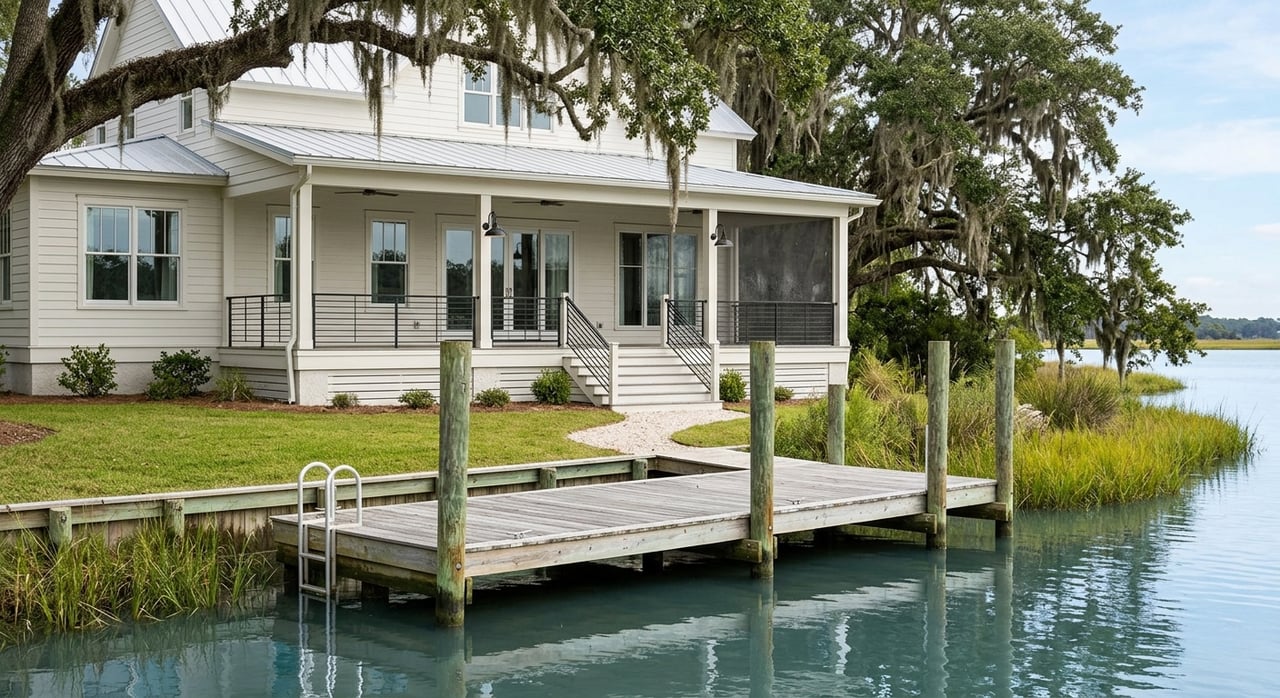
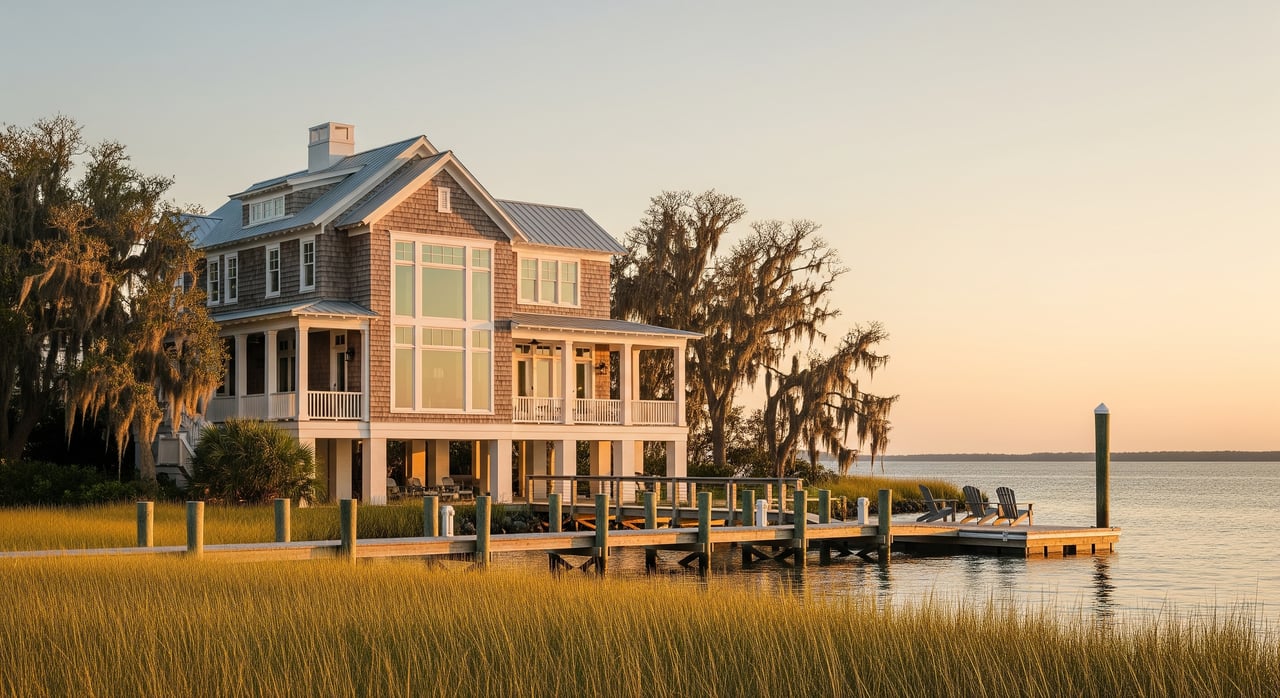
Along the Intracoastal Waterway, Cape Fear River, and feeder creeks, buyers often prioritize protected boating access, dockage, and privacy. Navigable depth, proximity to marinas or ramps, and the condition or potential of a dock strongly influence value. These properties can face flood and surge risks that are different from direct ocean exposure.
Marshfront and creekfront
Marsh and creekfront homes offer nature views and quieter waterways. Tidal patterns, marsh buffers, and ecology rules shape what you can build or modify. Shoreline stabilization, if allowed, may require permits and careful planning.
Golf and inland coastal neighborhoods
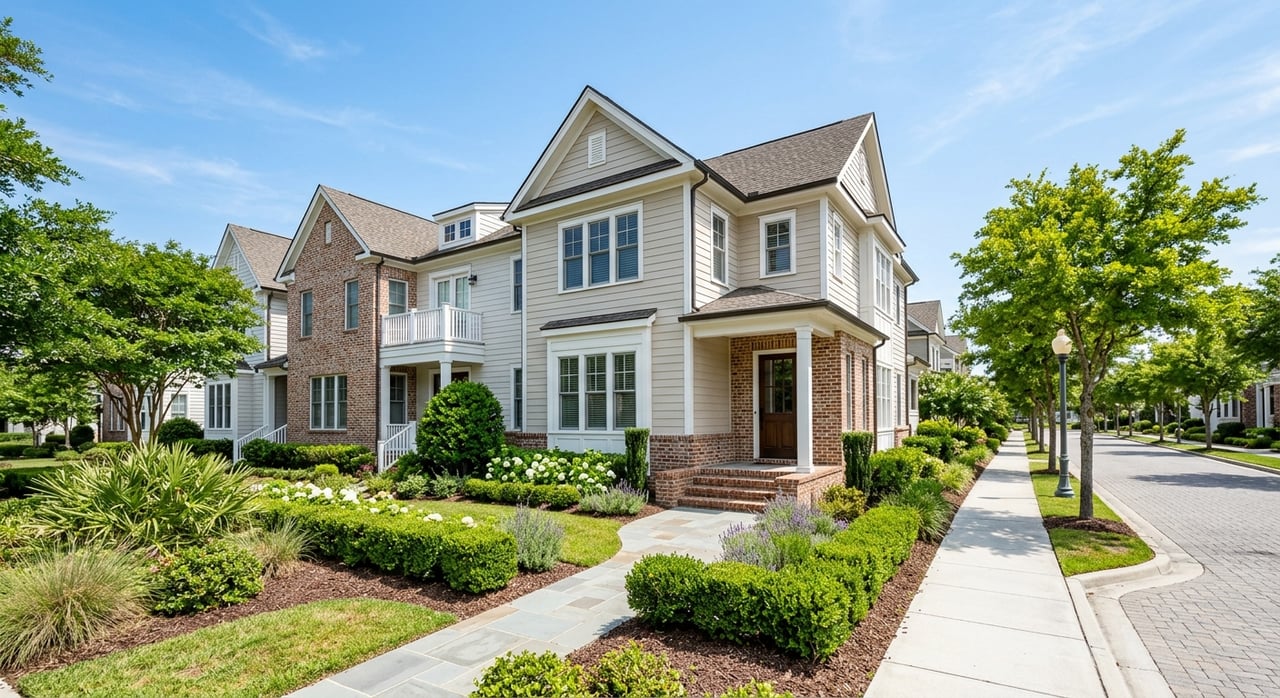
Planned communities like Landfall and other inland neighborhoods provide amenities such as golf, pools, and clubhouses with less direct coastal exposure. Buyers appreciate lower maintenance living and neighborhood features while staying close to beaches and Wilmington’s urban core.
Wilmington urban core
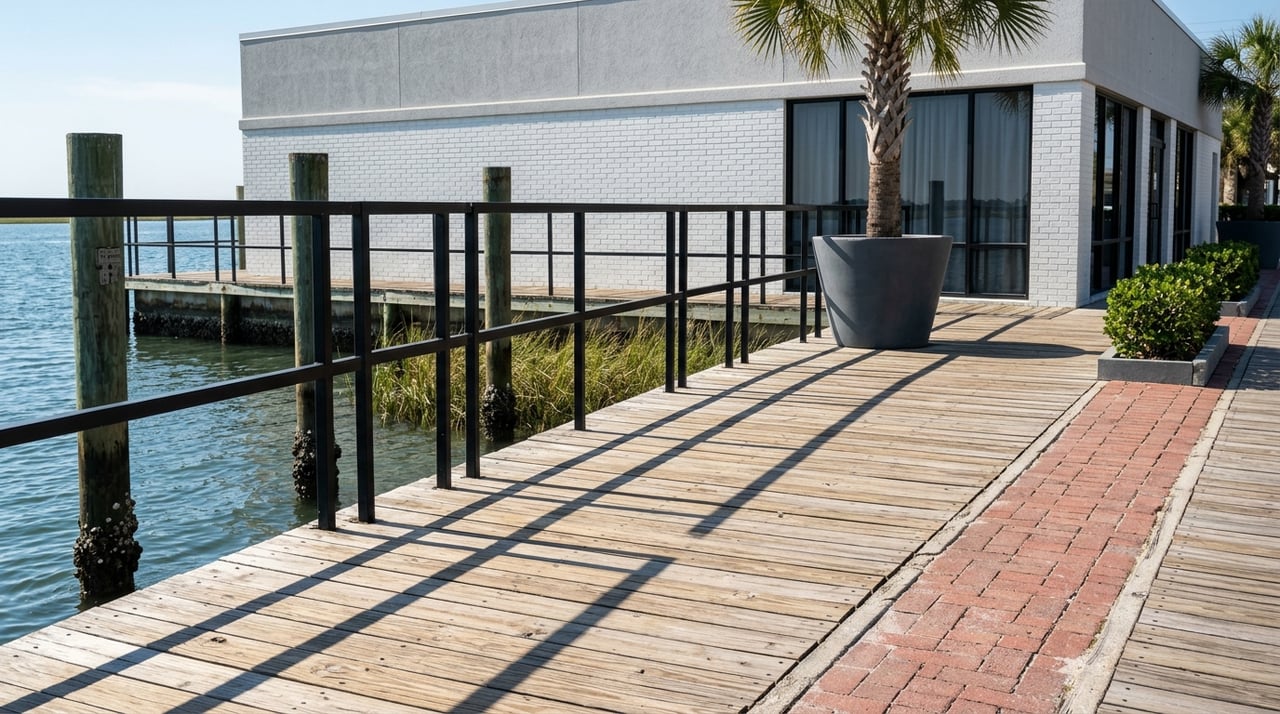
Historic downtown and riverfront neighborhoods blend coastal lifestyle with city conveniences. Walkable streets, restaurants, and cultural venues meet scenic water views along the Cape Fear River.
Property types and real differences
Coastal properties vary widely in ownership structure, maintenance needs, and financing requirements. Understanding the nuances upfront saves time and surprises later.
Oceanfront single-family homes
Oceanfront homes often sit behind dune systems and face wave action and storm surge. You should plan for erosion awareness, setback rules, and dune management standards. Insurance and maintenance costs are typically higher due to wind, flood, and salt exposure. Buyers pay premiums for elevation, private beach access, and stable shoreline history.
Beach and ocean-adjacent condominiums
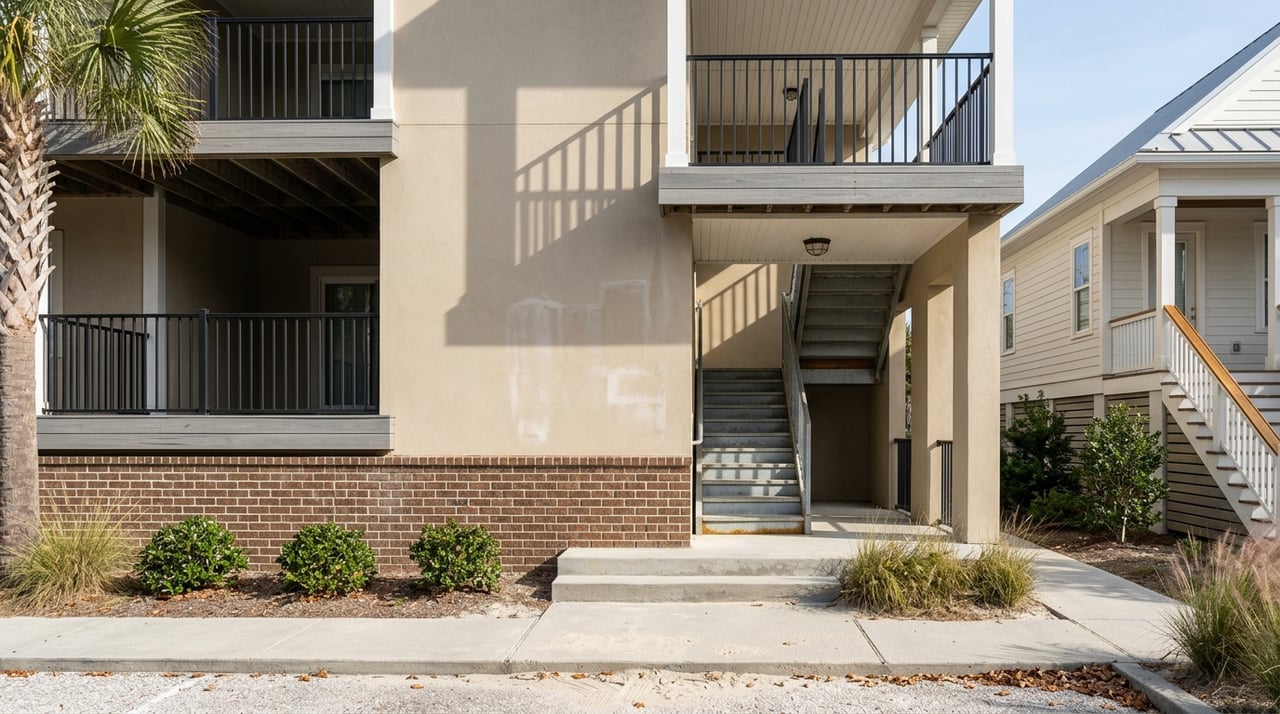
Beach condos deliver convenience, amenities, and shared maintenance through an HOA. Financing can hinge on project-level approvals, HOA health, and the percentage of short-term rentals. If you plan to rent, review both municipal ordinances and HOA rules before you buy.
Intracoastal, riverfront, and marshfront homes
Water-access homes often feature docks or the potential to add them. Piers and docks require permits, and navigation, boathouse rules, and tidal impacts can affect feasibility. Values rise with navigability, direct ICW access, and high-quality docking facilities.
Golf-community and inland coastal homes
Planned neighborhoods offer community amenities and a lower direct storm-surge profile than barrier islands. Conventional financing is often more straightforward than for condos or high-risk flood-zone properties.
New construction and lots
Coastal construction follows specific elevation and wind-resistance codes, which can increase build costs. On lot purchases, evaluate utilities, septic versus sewer, and any shoreline or dock permitting constraints before you close.
Seasonality and pricing drivers
Wilmington’s coastal market follows a seasonal rhythm tied to tourism, weather, and school calendars. Timing can influence your pricing strategy and negotiation leverage.
What to expect each season
Spring and early summer typically bring more listings and showings as buyers target summer use. Late fall and winter often see fewer listings but steady interest from out-of-state buyers and investors looking for opportunities. Short-term rental demand peaks in summer, which shapes investor interest and pricing for STR-friendly properties.
Demand drivers to watch
- Lifestyle demand for beaches, boating, and outdoor recreation.
- Relocation from higher-cost regions, including retirees and remote workers.
- Short-term rental potential in areas that allow it.
- The pipeline of new construction and infill homes.
Supply and value factors
- Barrier island scarcity supports premiums for oceanfront and near-ocean properties.
- Elevation, resilient construction, and recent dune nourishment can add value.
- Flood zone and insurance costs impact affordability and buyer pools.
- HOA covenants and STR rules shape investor demand.
- Access to shopping, healthcare, and city amenities influences preferences.
Insurance, permits, and financing basics
Coastal due diligence is different from inland buying. A smart plan includes early checks on flood risk, permitting, and loan programs.
Flood risk and insurance
Many coastal properties fall within FEMA flood zones such as AE, VE, or X. Lenders often require flood insurance for homes in Special Flood Hazard Areas. Elevation certificates and base flood elevation are used to price insurance. Premiums vary by property elevation and mitigation features, so get quotes early and compare options through the NFIP and private carriers.
Coastal permitting and shoreline rules
North Carolina’s Coastal Area Management Act regulates shoreline development, docks, and activities that affect beaches and wetlands. Local city and county layers apply as well. Setback rules, dune protection, and erosion control can limit building footprints or require mitigation. Structures that affect dunes, vegetation, or areas seaward of mean high water often need permits.
Short-term rentals and HOA rules
Short-term rental rules can change. Municipal ordinances and HOA covenants may set minimum nights, occupancy limits, or registration steps, or they may restrict STRs outright. Confirm the latest local code and HOA documents before you buy or list.
Financing notes for coastal properties
Condo loans may require project approvals and review of HOA financials. Lenders typically require proof of adequate flood insurance at closing for properties in flood zones. If you are building, include elevation and wind-resistance costs in your construction budget. Government-backed loans may carry additional eligibility checks for coastal and condo projects.
What to verify before you buy
Use this quick checklist to focus your due diligence:
- Flood zone designation, elevation certificate availability, and preliminary flood and wind insurance quotes.
- STR allowances, municipal rules, and HOA covenants if you plan to rent.
- Dock, pier, seawall, and dune-related permit history and future feasibility with state and local authorities.
- Shoreline and erosion history, including any dune nourishment or stabilization work.
- Utilities and septic versus sewer status for lots and new construction.
- Navigable depth and dock condition for water-access properties.
- Proximity to the amenities and services that matter to your lifestyle.
Smart steps for sellers
Coastal buyers look for clarity on risk, maintenance, and lifestyle value. A strong prep plan can boost your market position and shorten time to close.
- Order a pre-listing consultation to flag storm, wind, or moisture issues early.
- Gather documents: elevation certificate, permits, HOA disclosures, shoreline or dock records, and service logs for major systems.
- Highlight resiliency upgrades such as impact windows, reinforced roofing, or updated dune access.
- Match your pricing and listing timeline to seasonal patterns and buyer goals.
- Prepare straightforward answers on flood, insurance, and STR rules.
- Showcase lifestyle benefits with professional media that features views, boat access, and walkability where applicable.
Plain-language terms you will see
- Intracoastal Waterway (ICW): A protected boating route that connects waterways along the coast.
- Oceanfront or Beachfront: Property with direct ocean access, often over or through dune systems.
- Marshfront, Creekfront, Riverfront: Homes that sit on tidal ecosystems or rivers with different erosion and permitting dynamics.
- Mean High Water (MHW) and Mean Low Water (MLW): Tidal reference lines used for shoreline boundaries and public trust areas.
- Bulkhead, Seawall, Riprap: Shoreline stabilization structures that may require permits.
- FEMA zones AE and VE: Flood designations that indicate risk level, with VE typically subject to wave action.
- Base Flood Elevation (BFE): Elevation used to set minimum finished-floor heights and influence insurance.
- Elevation Certificate: A survey document used to price flood insurance.
- HOA and Covenants: Rules and fees governing communities and shared areas, including STR policies.
- CAMA: North Carolina’s coastal permitting framework for work along the shoreline.
Working with a local specialist
Coastal real estate rewards preparation. You want an agent who understands micro-markets like Wrightsville Beach, Figure Eight Island, Landfall, and the Wilmington shoreline, and who can navigate permitting, insurance, and HOA nuances. A team with strong builder and developer relationships can also open doors to lots, new construction, and pre-market opportunities.
If you are weighing oceanfront, intracoastal, marshfront, or golf-community living, we can help you compare value, lifestyle, and risk side by side. From data-driven pricing to concierge-level presentation and outreach, our approach is designed to deliver clarity and results.
Ready to move forward with confidence? Schedule a private consultation with Austin Kenyon to map your next steps.
FAQs
When is the best time to buy or sell in Wilmington’s coastal market?
- Spring and early summer see more listings and showings, while late fall and winter have fewer listings but steady interest from out-of-state buyers and investors.
How does flood insurance work for coastal homes in New Hanover County?
- Lenders often require it in FEMA Special Flood Hazard Areas, and premiums depend on elevation, mitigation features, and an elevation certificate, so get quotes early.
Can I use a beach condo for short-term rentals in this area?
- It depends on current municipal ordinances and HOA covenants, which may set limits or require registration, so confirm rules for the specific building and town.
Are loans harder to get for condos and waterfront properties?
- Some lenders require condo project approvals and detailed HOA reviews, and flood insurance can be a requirement, so work with a coastal-experienced lender.
What features add the most value to water-access homes?
- Navigable depth, direct ICW access, quality docks or lifts, and proximity to ramps or marinas are major valuation drivers for boating-focused buyers.